Why Mid-Century Modern Isn’t Canceled—Just Changing

Why did they cancel mid-century modern?
Mid-century modern wasn’t “canceled” as a design style. What most people are noticing is that certain brands, retailers, or TV shows scaled back mid-century modern collections because the market shifted. Over the last few years, shoppers have leaned into warmer, more layered looks (think organic modern, transitional, and updated traditional), while also prioritizing durability and storage over ultra-minimal silhouettes.
Another reason: true mid-century modern proportions can be hard to mass-produce cheaply without compromising what makes them appealing—clean joinery, quality veneers, solid wood details, and tapered legs that don’t wobble. When costs rise, some retailers drop the style or “soften” it into a more general modern look that’s easier to manufacture and ship without damage.
Finally, trends cycle. Mid-century modern dominated for a long stretch, so product lines can become saturated. Brands often refresh their catalogs with new finishes and shapes to stay current, even if mid-century influences remain in the background.
Mid-century modern is still popular—just evolving
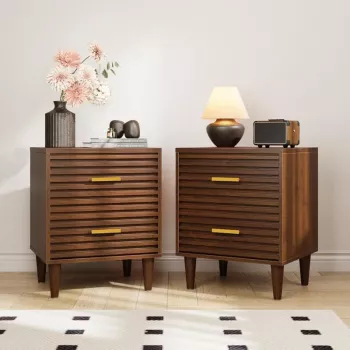
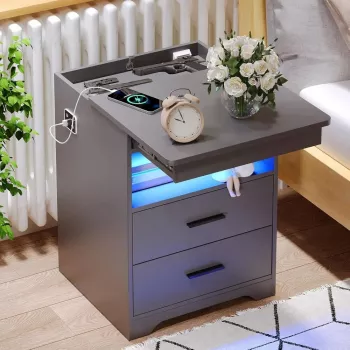
Instead of disappearing, the style is blending with other aesthetics: darker woods, softer edges, fluted drawer fronts, and mixed materials. You’ll also see more functional updates like hidden outlets, deeper drawers, and sturdier bases—especially in bedroom furniture where everyday use matters.
Want the look without the “trend fatigue”?
Focus on pieces that feel timeless: simple drawer faces, warm wood tones, and hardware that won’t date quickly. Nightstands are an easy way to keep the mid-century vibe without committing an entire room to a single era. For smart, space-saving options, see the guide here: mid-century modern nightstands with drawers.
For Why Mid-Century Modern Isn’t Canceled—Just Changing, the best answer depends on fit, material, care instructions, and how the product will be used day to day.
FAQ
What furniture pieces make a bedroom feel mid-century modern without overdoing it?
A pair of streamlined nightstands with tapered legs and flat-front drawers is usually enough. Add a warm wood finish and one simple lamp to keep the look clean and balanced.







Leave a comment