Mid Century Nightstands with Drawers: Sleek Bedside Storage
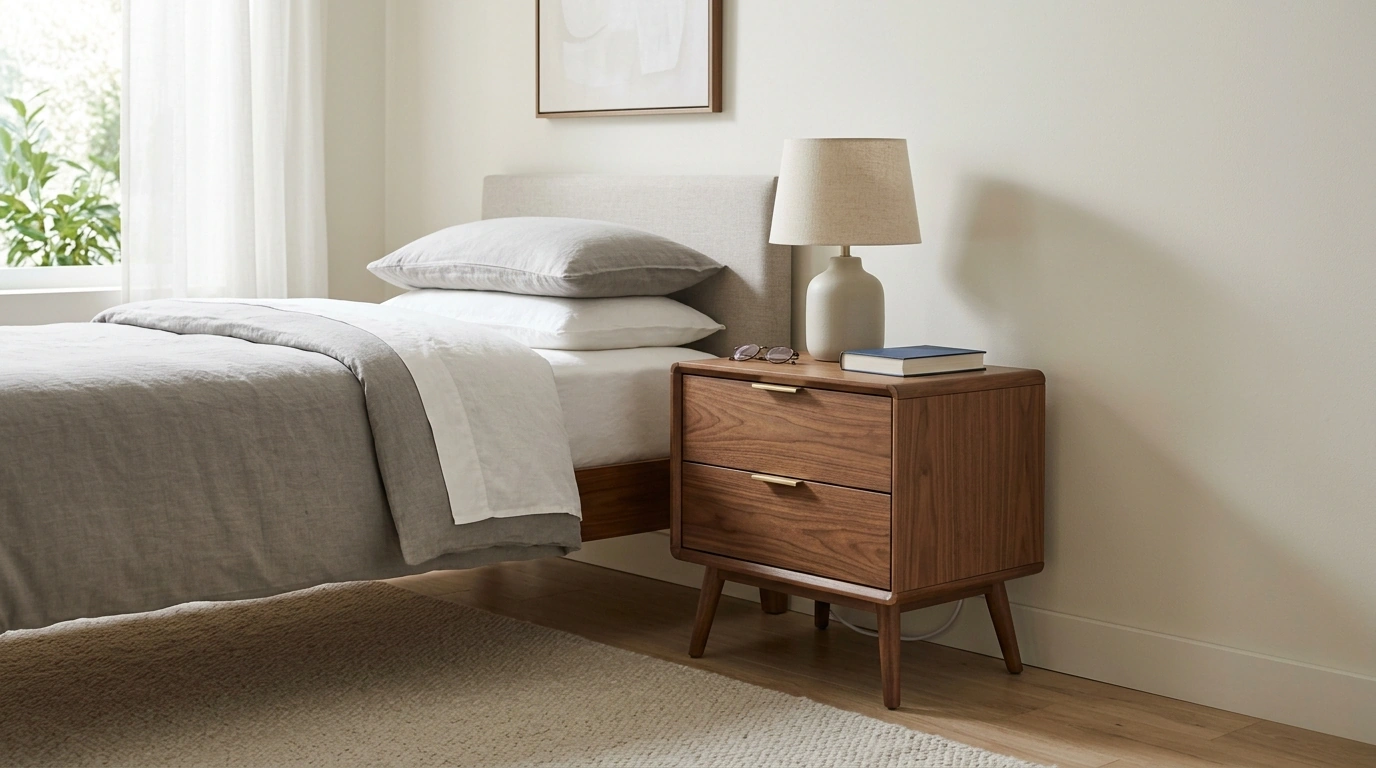
Mid Century Modern Nightstands with Drawers: Clean Lines, Smart Storage, Everyday Ease
A nightstand should keep essentials close, reduce bedside clutter, and complement the room’s style. Mid century modern designs do this especially well with streamlined silhouettes, warm wood tones, and practical drawer storage that hides cables, chargers, and nighttime items while keeping the top surface open for a lamp and a book. For more guidance, see Mid Century Modern Nightstand Final Report Part 1 – Design.
What Makes a Mid Century Modern Nightstand Feel “Right”
Mid-century modern style is known for simple forms and function-first details (a movement rooted in the mid-20th century design era). For a quick refresher on the design hallmarks, see Mid-century modern. For further reading, see Mid Century Modern Nightstands Set of 2 with Storage Living Room ….
- Signature details: tapered legs, simple geometry, minimal ornamentation, and warm finishes that lean walnut/teak-inspired.
- Practical storage: drawers keep visual clutter down compared with open shelves.
- Balanced proportions: a compact footprint with enough depth for a lamp base and a few essentials.
- Hardware cues: subtle pulls, rounded edges, and clean drawer fronts contribute to the era-inspired look.
Why Drawers Matter at the Bedside
Open shelving can look airy, but drawers do the heavy lifting for real-life bedrooms. When the lights are low and the day is done, closed storage keeps the room feeling calmer and more intentional.
- Clutter control: store chargers, hand cream, reading glasses, and notebooks out of sight.
- Sleep-friendly: fewer items left on top reduces the chance of knocking things over in the dark.
- Dust reduction: closed storage keeps items cleaner than open shelving.
- Shared spaces: drawers help keep each person’s bedside area separate and organized.
- Cable management tip: dedicate one drawer section for charging bricks and route a cord to the back for a cleaner look.
Sizing Guide: Height, Width, and Clearance to Measure Before Buying
Before choosing a nightstand, take five minutes to measure the area. A well-sized piece feels effortless to use: the top is within easy reach, drawers open without bumping anything, and the room still has breathing space.
- Height: aim for the tabletop to sit roughly level with the top of the mattress (or within a couple inches) for easy reach.
- Width: leave comfortable walkway space; in tighter bedrooms, prioritize slimmer widths and lighter visual profiles.
- Depth: ensure enough surface area for a lamp and nightly items without crowding the bed edge.
- Drawer clearance: confirm drawers can open fully without hitting bed frames, radiator covers, or door swings.
- Leg clearance: taller legs can make small rooms feel less bulky and are easier to clean underneath.
Quick Bedroom Measurements to Take
| What to measure | How to measure | Why it matters |
|---|---|---|
| Mattress top height | Measure from floor to top of mattress | Helps choose a nightstand height that’s easy to reach |
| Bedside walkway width | Measure from bed edge to nearest obstacle (wall/door/dresser) | Prevents a cramped pathway and awkward drawer opening |
| Available width beside bed | Measure the clear space between bed and wall/other furniture | Ensures the nightstand fits without squeezing the layout |
| Depth limit | Measure from wall to bed edge (or desired front line) | Avoids a piece that sticks out and catches knees |
| Drawer swing clearance | Allow extra space in front equal to drawer extension | Makes drawers usable day-to-day |
Materials, Finishes, and Hardware: What to Look For
- Wood and wood-look options: engineered wood can be stable and budget-friendly; solid wood often brings richer grain and longevity.
- Finish durability: look for scratch-resistant surfaces if you regularly set down cups, phones, or skincare.
- Drawer construction: smooth movement, consistent gaps, and sturdy drawer bottoms help prevent sagging over time.
- Pulls and knobs: low-profile hardware keeps the silhouette clean; ensure it’s comfortable to grip.
- Legs and stability: tapered legs should feel rigid with minimal wobble; check levelers if floors are uneven.
For care basics that help finishes last, Wirecutter’s guide to cleaning wood furniture is a practical reference for everyday upkeep.
Styling Ideas: Make the Top Surface Useful Without Looking Busy
A mid-century modern nightstand looks best when the surface stays simple. The goal is a “ready for tonight” setup that still feels spacious.
Featured Option: Mid Century Modern Nightstands with Drawers
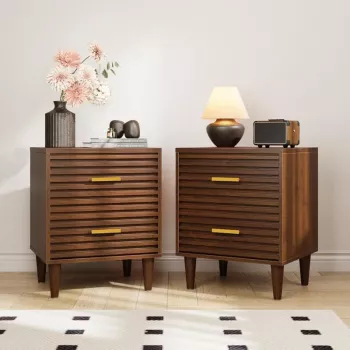
If the priority is a clean, retro-inspired look with everyday storage, Mid Century Modern Nightstands with Drawers offers a streamlined bedside profile designed for practical living.
A Couple of Handy Add-Ons for the Nightstand Zone
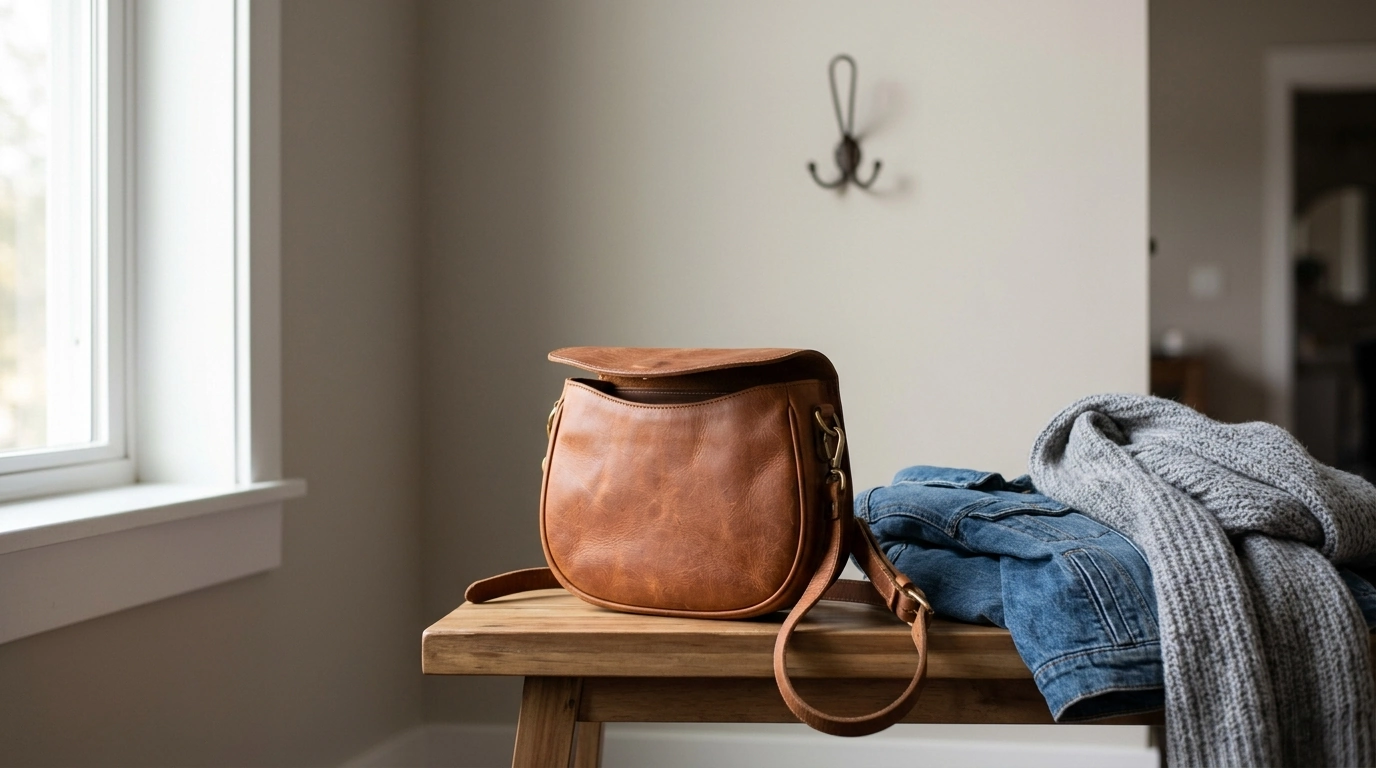
- Vintage Leather Crossbody Shell Bag — a convenient grab-and-go spot for essentials when you want tomorrow’s items ready near the door (or neatly tucked inside a drawer).
- 39mm Diver GMT Enamel Dial Automatic Mechanical Watch with Ceramic Bezel — a sharp bedside companion if you prefer leaving your phone off the nightstand and keeping time the classic way.
Care, Maintenance, and Setup Tips
FAQ
What height should a nightstand be next to the bed?
Aim for a tabletop that’s about level with the top of your mattress, or within a couple inches above or below. Also factor in bed frame height and pillow loft, since those affect how you reach while lying down.
Are drawers better than open shelves for a nightstand?
Drawers are usually better for clutter control and dust reduction, and they keep the room looking cleaner. Open shelves can still be useful if you like baskets or need quick access to frequently grabbed items.
How many drawers are enough for bedside storage?
One drawer is often enough for basics like glasses and chargers, while two drawers make it easier to separate tech/charging from personal items. The right number depends on your routine and how much you want to keep off the top surface.







Leave a comment