Outdoor 2-Person Far Infrared Basswood Sauna (Low-EMF)
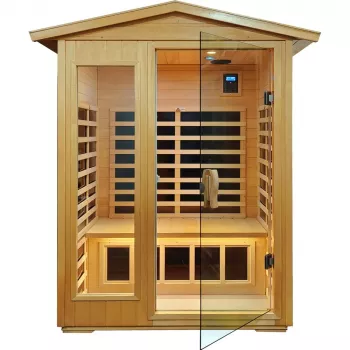
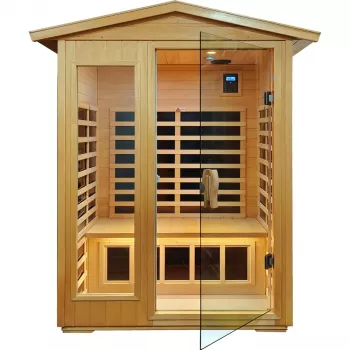
Outdoor 2‑Person Far Infrared Sauna in Basswood with Low‑EMF Heating Panels
An outdoor infrared sauna can turn a backyard corner into a reliable recovery and relaxation zone—without the heat-up time and humidity of a traditional steam sauna. A well-built 2-person far infrared model in basswood with low-EMF heating panels is designed for consistent warmth, a comfortable interior feel, and a simple routine you can keep up with after workouts or long days.
What an outdoor far infrared sauna is—and how it feels to use
Far infrared saunas are built to deliver warmth that’s intended to heat the body more directly than the air. In practice, many people describe the experience as a gentler, “soak-in” heat compared with the high, steamy intensity of a traditional sauna—often at lower cabin temperatures.
A 2-person layout typically focuses on seated sessions with enough space for two adults to sit comfortably, adjust posture, and do light stretching. It’s a practical middle ground: more inviting than a single-user unit, but without the footprint and electrical demands that can come with larger cabins.
Putting the sauna outdoors changes the routine in a good way. You can step out into fresh air to cool down, use it as a natural extension of a pool area or home gym, and preserve indoor square footage—while still keeping the sauna close enough to use consistently.
Basswood cabin benefits for comfort and durability
Basswood is commonly chosen for sauna interiors because it feels smooth to the touch, tends to stay comfortable against skin when heated, and has a relatively low natural odor compared with more aromatic woods. The look is usually light and clean, which pairs well with modern patios, minimalist landscaping, and darker outdoor accents.
For long-term outdoor durability, wood choice is only part of the story. Assembly precision, door alignment, tight seams, and proper sealing make a noticeable difference in how the cabin holds heat and how it handles seasonal shifts. If possible, place the sauna where it’s not taking constant direct rain, snow, or harsh sun—an overhang, pergola, or covered patio spot can reduce exterior wear and keep the experience more consistent in cold or windy conditions.
Low‑EMF heating panels: what to care about
Low‑EMF heating panels are designed to reduce electromagnetic field exposure compared with higher‑EMF alternatives. What matters is transparency: EMF readings can vary by measurement method, the distance from the panel, and where readings are taken inside the cabin. If a brand publishes typical readings and explains its test setup, it’s easier to compare models with confidence.
Key specs to compare before buying
Quick comparison checklist for an outdoor 2‑person infrared sauna
| What to check | Why it matters | What to confirm before ordering |
|---|---|---|
| Interior space | Comfort for two users | Bench depth, headroom, door width |
| Heater coverage | Even warmth and comfort | Panels for back/sides/legs; panel count and layout |
| Low‑EMF claim | Peace of mind and transparency | Measurement method, distance, and typical readings if provided |
| Outdoor placement needs | Longevity and performance | Shelter recommendation, base/foundation guidance, weather exposure limits |
| Electrical setup | Safe, reliable operation | Circuit rating, plug type, GFCI requirements where applicable |
| Controls & safety | Consistency and protection | Timer, overheat cutoff, sensor placement, certification info |
Installation and backyard placement tips
Energy use, session planning, and comfort routines
Many people keep sessions in the 15–45 minute range depending on experience, hydration, and how the heat feels that day. Build consistency by starting shorter, then gradually increasing time once you know how your body responds. A practical routine includes water before and after, a cooldown break in fresh air, and a towel on the bench for comfort and cleanliness. For general sauna safety considerations, see guidance from Cleveland Clinic and Mayo Clinic.
Care and maintenance for an outdoor basswood infrared sauna
Product highlight: Outdoor 2‑Person Far Infrared Sauna with Basswood Wood and Low EMF Heating Panels
If the goal is a dedicated backyard recovery space with comfortable seating and far infrared warmth, the Outdoor 2-Person Far Infrared Sauna with Basswood Wood and Low EMF Heating Panels is designed for two-person outdoor use with a smooth basswood cabin and low‑EMF heating panels. It’s a strong fit for post-workout relaxation and routine heat sessions without the humidity of a traditional steam sauna. Check the product page for current pricing, delivery details, and electrical requirements before ordering.
Useful add-on for the routine
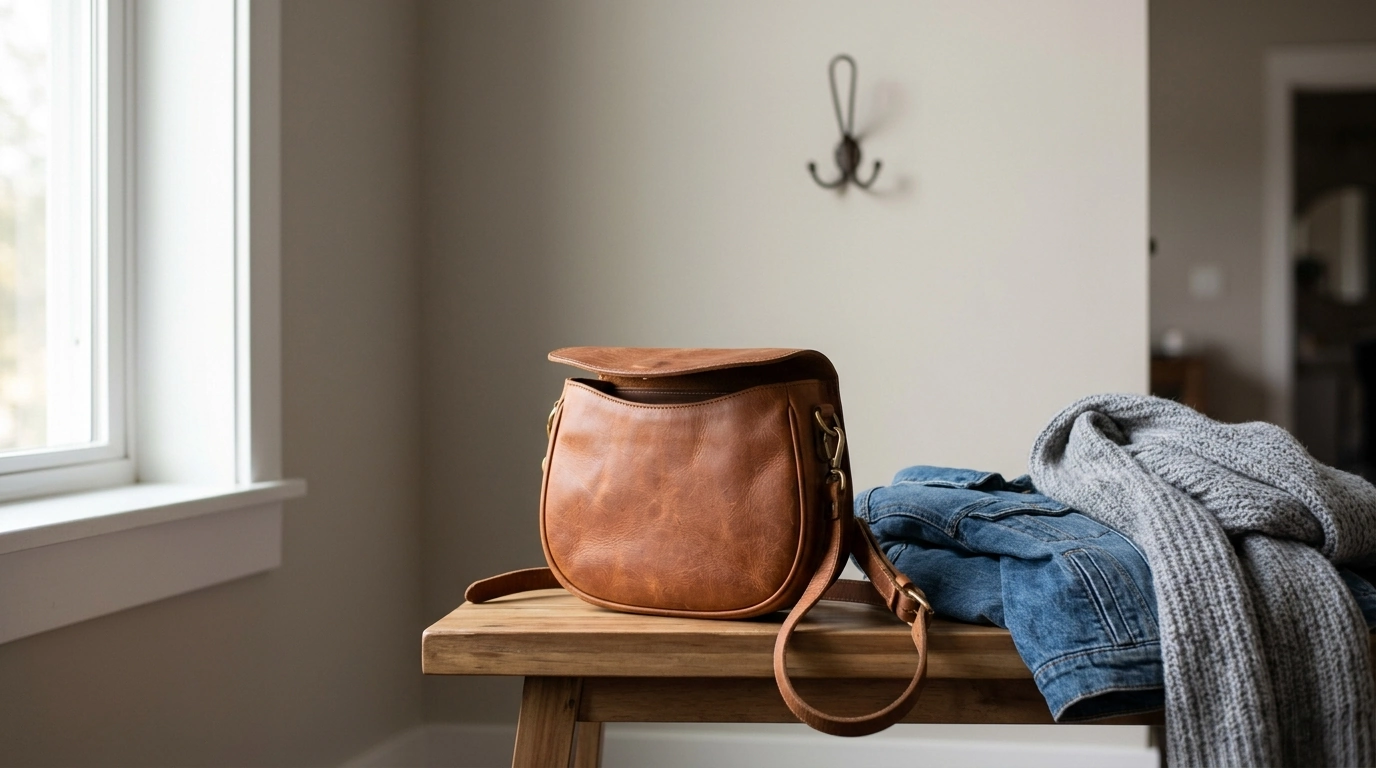
For carrying sandals, a towel, and small essentials to and from the sauna, the Vintage Leather Crossbody Shell Bag can be a convenient grab-and-go option, especially if your sauna sits a short walk from the back door.
FAQ
Can an infrared sauna be used outdoors year-round?
Many outdoor-rated infrared saunas can be used year-round, but performance depends on ambient temperature, wind, and how sheltered the placement is. A level base and partial cover can improve comfort and help protect the cabin, and manufacturer placement guidance should always take priority.
What does low‑EMF mean for sauna heating panels?
Low‑EMF generally means the sauna is designed to reduce electromagnetic field levels compared with some higher‑EMF alternatives. Since readings depend on distance and testing method, it’s best to review any published measurements, testing notes, or certifications the manufacturer provides.
How long should two people stay in a far infrared sauna session?
A common range is about 15–45 minutes depending on comfort and experience. Start shorter, hydrate, and stop if you feel dizzy or unwell; if you have medical conditions or are pregnant, consult a clinician before regular sauna use.







Leave a comment