41mm Automatic Dive Watch: Sapphire Crystal, 200M WR
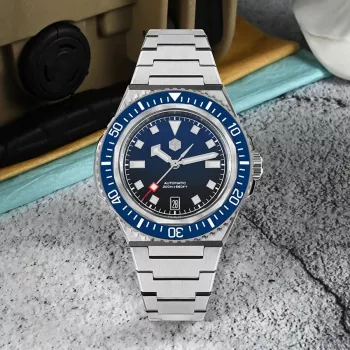
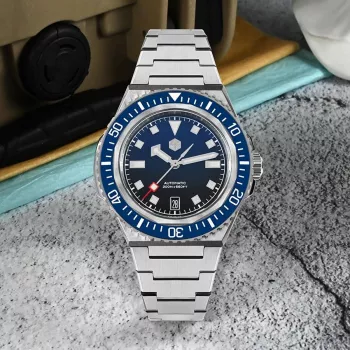
41mm Automatic Dive Watch with Sapphire Crystal and 200M Water Resistance
A compact, dive-ready automatic built for daily wear and real water time, this 41mm sport watch blends a scratch-resistant sapphire crystal with 200M water resistance for swimming, snorkeling, and active weekends. The result is a versatile size that stays comfortable on-wrist, while still delivering the durability cues most people want from a true tool-style design.
If you’re looking for a mechanical watch that can transition from desk to dock without feeling oversized, the 41mm Automatic Dive Watch with Sapphire Crystal and 200M Water Resistance is designed to be that all-arounder: easy to wear, hard to scratch, and ready for water-heavy days.
What This Watch Is Built For
- Balanced 41mm size that suits most wrists without the bulk of larger dive cases.
- Automatic mechanical movement for wear-and-go convenience (no daily battery swaps).
- Sapphire crystal to better resist scratches from everyday knocks and abrasion.
- 200M water resistance aimed at surface water sports and recreational water use.
Core Specs at a Glance
- Case size: 41mm
- Movement: automatic mechanical
- Crystal: sapphire
- Water resistance: 200M
- Category fit: dive/sport
Quick spec snapshot
| Feature | What it means for wear |
|---|---|
| 41mm case | Versatile fit for daily wear; sporty presence without oversized proportions |
| Automatic movement | Self-winding with wrist motion; no battery dependency for timekeeping |
| Sapphire crystal | Helps resist scratches compared with standard mineral glass |
| 200M water resistance | Designed for swimming and snorkeling; proper sealing care still matters |
Sapphire Crystal: Why It Matters on a Sport Watch
A dive-style watch is usually worn like a tool: against desk edges, jacket zippers, backpack straps, and whatever the weekend throws at it. That’s where sapphire crystal earns its keep. Sapphire is valued for scratch resistance, helping the dial stay clear and readable even after months of regular wear. For a quick reference on hardness and where sapphire sits, the GIA’s overview of the Mohs scale provides helpful context.
- Long-term clarity: resists fine scratches that can slowly haze the crystal.
- Better for active use: holds up well to daily friction from cuffs, desks, and gear.
- Matches the tool-watch profile: durability stays a day-to-day priority, not a special-occasion feature.
- Care tip: rinse after saltwater exposure to reduce residue buildup around bezel/case edges.
Scratch resistance isn’t the same as invincibility, though. Sapphire is tough against abrasion, but sharp edge impacts can still cause chips or cracks—especially if the watch is hit on a hard corner.
Understanding 200M Water Resistance (Without Guesswork)
“200M” water resistance is a lab-tested rating, not a promise that every real-world scenario is covered automatically. In practice, water resistance depends on crown position, gasket condition, case integrity, and whether the watch experiences shocks or rapid temperature changes. If you want a deeper look at diver-watch standards, ISO’s overview of ISO 6425—Divers’ watches explains what certified dive watches are tested for.
- Appropriate for swimming and snorkeling when the crown is fully secured and seals are in good condition.
- Pool time and showers are generally within scope, but avoid unnecessary hot-water exposure and steam.
- Don’t adjust underwater: avoid using pushers or the crown in water unless the design explicitly supports it.
- Pressure testing matters: periodic checks are recommended if the watch sees frequent water use or big temperature swings.
If you ever see water resistance referenced in bar or MPa, NIST’s reference on the SI unit of pressure can help clarify how those units relate.
Automatic Movement: Daily Use and Ownership Expectations
An automatic mechanical movement is powered by a rotor that winds the watch as you move. For many owners, that’s the appeal: put it on, wear it normally, and it keeps itself running without a battery.
- Regular wear keeps it going: normal wrist motion winds the mainspring throughout the day.
- Off-wrist downtime: if it sits long enough to run out of power reserve, it will stop and need a reset.
- Accuracy varies: real-world performance depends on the movement, position, and routine—consistent wear helps stabilize results.
- Service is part of ownership: intervals depend on usage; water exposure and impacts can accelerate wear.
Fit, Comfort, and Style: Why 41mm Works
In dive and sport watches, 41mm often lands in a sweet spot: substantial enough to feel purpose-built, yet compact enough to wear daily without constantly catching on sleeves or feeling top-heavy. The silhouette leans sporty, but the size keeps it from looking overly aggressive in casual settings.
Care Tips to Keep Water Resistance and Finish Intact
Related Picks in Stock
Alternatives to compare
| Model | Best for | Price |
|---|---|---|
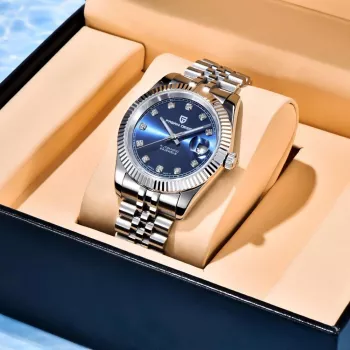
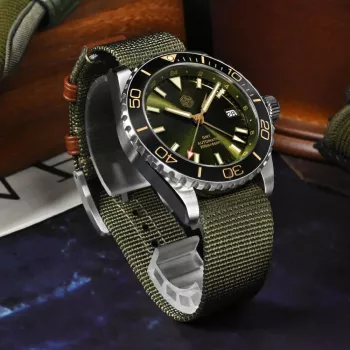
| 39mm Diver GMT Enamel Dial Automatic Mechanical Watch with Ceramic Bezel | Travel + dive styling with dual-time tracking | $385.01 |
| 38mm Luxury Sport Automatic Watch with Oil Pressure Grid Dial | Everyday sport wear with a bolder dial design | $440.01 |
| 41mm Automatic Dive Watch with Sapphire Crystal and 200M Water Resistance | All-around daily diver profile with sapphire and 200M rating | $505.01 |
FAQ
Is 200M water resistance enough for diving?
200M is commonly considered suitable for recreational water activities like swimming and snorkeling. For frequent scuba use, sealing condition and standards compliance matter, so periodic pressure testing is a smart precaution.
Does sapphire crystal make the watch unbreakable?
No—sapphire is highly scratch-resistant, but it can still crack or chip from a sharp impact, especially along an edge. Normal wear is fine; avoiding hard knocks helps protect the crystal.
How long will an automatic watch run if it is not worn?
It depends on the movement’s power reserve, which can vary widely by model. If it stops off-wrist, you’ll just need to reset the time/date and wind or wear it again.








Leave a comment